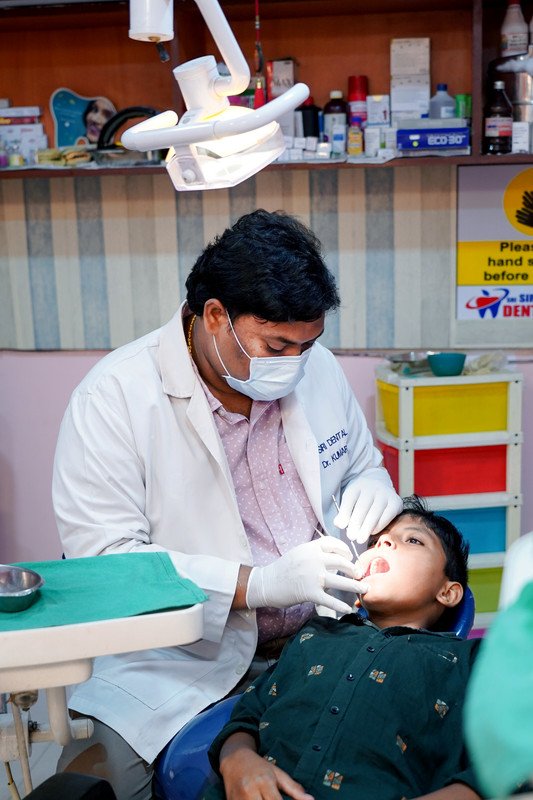
Maintaining good oral health is an important part of overall well-being. Healthy teeth and gums help you chew comfortably, speak clearly, and maintain confidence in your smile. However, everyday habits such as irregular brushing, inadequate cleaning between teeth, frequent consumption of sugary foods, and skipping dental appointments can increase the risk of tooth decay and gum disease.
To keep your teeth and gums healthy, brush twice daily with fluoride toothpaste, clean between your teeth every day, limit frequent sugar exposure, drink water, avoid tobacco, and attend dental checkups on the schedule your dentist recommends.
The good news is that a consistent oral hygiene routine, healthy lifestyle choices, and regular dental assessments can help reduce the risk of many common dental problems.
In this guide, Sri Siri Dental explores practical oral health tips, effective brushing techniques, common warning signs, and the importance of preventive dental care.
What Is Oral Health and Why Is It Important?
Oral health refers to the condition of the teeth, gums, tongue, and other tissues in the mouth, as well as the ability to eat, speak, and function comfortably.
Poor oral hygiene can contribute to dental plaque buildup, tooth decay, gum inflammation, and other oral health problems. Some conditions can progress without obvious symptoms in their early stages.
Maintaining good oral health helps reduce preventable dental problems and supports long-term oral function.
Oral health is also connected with general health. Some systemic conditions can affect the mouth, and oral infections may have broader health implications. However, associations between oral conditions and other diseases do not automatically mean that one condition directly causes another.
10 Essential Oral Health Tips for Healthy Teeth and Gums
1. Brush Your Teeth Twice a Day
Brush your teeth twice daily with fluoride toothpaste, including before bedtime.
Use a soft-bristled toothbrush and gentle, controlled movements. Clean all tooth surfaces, including the outer, inner, and chewing surfaces, while paying attention to the gumline.
Avoid brushing too aggressively, as excessive pressure may contribute to gum irritation and tooth wear.
Replace your toothbrush or brush head approximately every three to four months, or sooner if the bristles become frayed.
2. Clean Between Your Teeth Every Day
A toothbrush cannot effectively clean every space between the teeth.
Floss or use an appropriate interdental cleaning device daily to help remove plaque and food debris from areas that are difficult to reach with brushing alone.
If traditional floss is difficult to use, ask a dentist whether interdental brushes or another cleaning method would be suitable for your teeth.
3. Use Fluoride Toothpaste
Fluoride helps strengthen tooth enamel and makes teeth more resistant to acid attacks that contribute to tooth decay.
Choose toothpaste containing fluoride and follow the product instructions. Children should use an age-appropriate amount under adult supervision to minimize swallowing.
If you have specific dental concerns or an increased risk of cavities, a dentist can recommend an appropriate toothpaste or additional preventive measures.
4. Limit Sugary Foods and Drinks
Frequent exposure to sugar can increase the risk of tooth decay because bacteria in dental plaque produce acids that damage enamel.
Consider these habits:
- Reduce frequent snacking on sugary foods.
- Limit sugary drinks and sweetened beverages.
- Drink water regularly.
- Choose balanced meals and tooth-friendly snacks.
- Avoid repeatedly sipping sweet drinks throughout the day.
The frequency of sugar exposure matters as well as the total amount consumed.
5. Drink Enough Water
Water helps keep the mouth moist and supports normal saliva function.
Saliva helps wash away food particles, neutralize acids, and protect tooth surfaces. A persistently dry mouth can increase the risk of tooth decay and oral discomfort.
If you frequently experience dry mouth, discuss it with a dental or medical professional, particularly if you take medications that may contribute to the problem.
6. Avoid Tobacco Products
Smoking and smokeless tobacco can negatively affect oral health and increase the risk of serious conditions, including gum disease and oral cancer.
Avoiding tobacco is an important step toward protecting your teeth, gums, and oral tissues.
If you use tobacco and are concerned about your oral health, seek professional advice about cessation support and appropriate dental screening.
7. Do Not Ignore Bleeding Gums
Bleeding gums can be a sign of gum inflammation, often associated with plaque accumulation. However, other causes are possible.
If your gums bleed repeatedly during brushing or flossing, arrange a dental assessment rather than simply avoiding the affected area.
A dentist can evaluate your gums and recommend suitable cleaning techniques or treatment based on the underlying cause.
8. Visit a Dentist Regularly
Dental visits can help identify tooth decay, gum disease, and other problems before they become more complicated.
The appropriate frequency of dental checkups depends on your oral health, medical history, risk factors, and previous dental problems.
Your dentist can recommend a personalized schedule and determine whether professional cleaning or additional preventive treatment is needed.
9. Protect Your Teeth During Sports
Contact sports and some recreational activities can expose teeth to impact injuries.
A properly fitted mouthguard can help reduce the risk of dental injuries during appropriate sporting activities.
If you grind your teeth, experience jaw discomfort, or notice unusual tooth wear, discuss these concerns with a dentist to determine whether further assessment is necessary.
10. Pay Attention to Changes in Your Mouth
Regularly notice changes such as persistent ulcers, unusual lumps, white or red patches, ongoing pain, swelling, or difficulty chewing or swallowing.
Many mouth changes have benign causes, but persistent or unexplained symptoms should be evaluated by a qualified professional.
Do not rely on self-diagnosis or wait for symptoms to become severe before seeking advice.
What Are the Common Signs of Poor Oral Health?
Recognizing early warning signs can help you seek appropriate care.
Common signs include:
- Persistent bad breath.
- Bleeding, swollen, or tender gums.
- Tooth sensitivity to hot, cold, or sweet foods.
- Toothache or discomfort while chewing.
- Visible holes, discoloration, or damage to teeth.
- Gum recession or changes in the way teeth fit together.
- Persistent sores or unusual changes in oral tissues.
These symptoms do not always indicate the same condition. A dental examination is needed to identify the cause and determine the appropriate treatment.
Seek urgent dental care for severe tooth pain, significant swelling, or suspected dental infection. Difficulty breathing or swallowing, or rapidly spreading swelling involving the mouth or face, requires emergency medical attention.
How Often Should You Visit a Dentist?
There is no single dental checkup schedule that suits everyone.
Some people need more frequent appointments because of gum disease, a history of cavities, certain medical conditions, or other risk factors. Others may be advised to attend less frequently based on their individual circumstances.
During a dental checkup, a dentist may assess your teeth, gums, oral tissues, and existing dental restorations. Depending on your needs, the visit may also include professional cleaning, preventive advice, or diagnostic imaging when clinically indicated.
The best approach is to follow a schedule recommended for your individual oral health needs.
Why Is Preventive Dental Care Better Than Waiting for Pain?
Dental problems do not always cause noticeable symptoms during their early stages.
For example, tooth decay may develop before a person experiences pain, and gum disease can progress without obvious discomfort.
Preventive care focuses on reducing risk, identifying problems early, and maintaining oral hygiene through daily habits and professional guidance.
This approach may help reduce the likelihood of more extensive treatment, although no preventive routine can eliminate every dental risk.
A combination of home care, healthy habits, and appropriate dental assessments provides a practical foundation for maintaining oral health.
Oral Hygiene Mistakes You Should Avoid
Even people who brush regularly may overlook important aspects of dental care.
Common mistakes include:
- Brushing too hard or using a worn toothbrush.
- Skipping interdental cleaning.
- Brushing for too little time or missing tooth surfaces.
- Frequently consuming sugary snacks and drinks.
- Ignoring recurring bleeding gums or tooth sensitivity.
- Using teeth to open packages or bite hard objects.
- Delaying professional assessment of persistent symptoms.
Improving these habits can support better oral hygiene and help protect teeth and gums over time.
Common Questions
Frequently Asked Questions About Oral Health
How can I keep my teeth healthy naturally?
Brush twice daily with fluoride toothpaste, clean between your teeth every day, limit frequent sugar exposure, drink water, avoid tobacco, and follow an appropriate dental checkup schedule. Natural remedies should not replace evidence-based oral hygiene or professional treatment.
How many times should I brush my teeth daily?
For most people, brushing twice daily with fluoride toothpaste is recommended, including before bedtime. Use a soft-bristled toothbrush and gentle technique.
Is brushing enough to maintain oral hygiene?
Brushing is essential, but it does not adequately clean every space between the teeth. Daily flossing or another suitable interdental cleaning method helps remove plaque from these areas.
Why do my gums bleed when I brush?
Bleeding gums may indicate inflammation associated with plaque buildup, although other causes are possible. Persistent bleeding should be assessed by a dentist. Avoiding the affected area can allow plaque to accumulate further.
How can I prevent tooth decay?
Brush with fluoride toothpaste, clean between teeth daily, reduce frequent sugar exposure, and seek preventive dental care appropriate to your risk level. Your dentist may recommend additional measures based on your circumstances.
When should I visit a dentist?
Arrange routine checkups according to your dentist's advice, and seek an earlier appointment if you experience toothache, recurring bleeding gums, sensitivity, swelling, or other persistent changes.
Can poor oral hygiene cause bad breath?
Yes. Plaque buildup, gum disease, and food debris can contribute to bad breath. Dry mouth, certain foods, tobacco, and other medical conditions may also play a role. Persistent bad breath should be evaluated to identify the cause.
How can parents help children maintain good oral health?
Help children brush with age-appropriate fluoride toothpaste, supervise brushing when needed, limit frequent sugary snacks and drinks, and arrange dental visits according to professional advice. Early guidance helps children develop consistent oral hygiene habits.
How Sri Siri Dental Can Fit Into Your Dental Care Journey
Maintaining oral health involves more than daily brushing. It also includes recognizing changes in your mouth, understanding preventive care, and seeking professional advice when needed.
If you are looking for dental care, explore the information available on the Sri Siri Dental website and contact the clinic to confirm its services, appointment availability, and suitability for your needs.
A qualified dental professional can assess your individual oral health, explain appropriate treatment options, and recommend a care plan based on your clinical requirements.
Conclusion
Healthy teeth and gums begin with consistent daily habits and appropriate preventive dental care.
Brushing twice daily with fluoride toothpaste, cleaning between teeth, limiting frequent sugar exposure, avoiding tobacco, and attending recommended dental checkups can help reduce the risk of common oral health problems.
Paying attention to persistent symptoms and seeking professional advice when needed are equally important.
Start with small, consistent improvements to your oral hygiene routine and consult a qualified dentist for personalized guidance.
Visit Sri Siri Dental to explore the clinic's information and find out how to arrange an appointment.
Arrange a Dental Checkup at Sri Siri Dental
Start with small, consistent improvements to your oral hygiene routine and consult a qualified dentist for personalized guidance.
Bata Showroom Building, Main Rd, Near Rajasekhar Reddy Statue, New Gajuwaka, Visakhapatnam, Andhra Pradesh 530026
Monday to Saturday, 9:00 AM – 10:00 PM; Sunday, 10:00 AM – 5:00 PM
Disclaimer: This article provides general oral health information and is not a substitute for an individualized dental examination.